Best Hair Transplant in India 2026 — The Definitive Authority Guide
India has a hair loss problem. And India, remarkably, has built one of the world's most capable industries to solve it.
More than 60% of Indian men experience some degree of pattern baldness by the age of 50. Among women, up to 30% deal with significant hair thinning at some point in their lives. The combination of genetic predisposition, chronic urban stress, nutritional deficiencies, hard water, environmental pollution, and — significantly — the lasting legacy of post-COVID hair fall has created a population that is, by measurable global standards, unusually susceptible to early-onset hair loss.
Against that backdrop, India's hair transplant industry has grown into something formidable: a market expanding at over 21% annually as of 2026, home to hundreds of specialist clinics, thousands of qualified surgeons, and a patient base that spans domestic professionals, NRI visitors from the USA, UK, and UAE, and international medical tourists who fly specifically to India for procedures that would cost three to eight times more in their home countries.
This guide answers every question you are actually asking. Not a surface-level overview. A genuine, clinically grounded, commercially honest authority document that covers: who can perform hair transplants in India, what makes a clinic the best, what DHI hair transplant costs in 2026, how common and how successful the procedure actually is, and every question a smart patient needs answered before committing to one of the most significant personal decisions of their life.
Every answer here comes from Enhanced Med Clinics, Delhi — a surgeon-led hair restoration centre that has staked its reputation on clinical excellence, honest pricing, and results that speak without explanation.
1. Who Can Perform a Hair Transplant in India? — The Legal & Clinical Truth
This is one of the most important questions in the entire Indian hair transplant market — and one of the most dangerously misunderstood. The answer has direct consequences for the safety of your donor area, the survival rate of your grafts, and the naturalness of your final result.
The Legal Position in India
In India, a hair transplant is classified as surgical procedure under the Indian Medical Council Act and subsequent regulations. This means it may only be legally performed by a licensed medical doctor — an individual holding a valid MBBS degree registered with the Medical Council of India (MCI) or their respective State Medical Council.
The procedure involves: local anaesthetic administration (which requires prescribing authority), incision of human tissue (which requires surgical competency), and handling of biological material (which requires certified sterile protocol compliance). None of these activities can legally be performed by a nurse, paramedic, beautician, or 'hair technician' operating without a supervising licensed physician — regardless of how a clinic markets itself.
Who Should Perform Hair Transplant Surgery in India
While any MBBS-registered doctor is technically permitted to perform cosmetic procedures, the following specialisation qualifications are considered the clinical benchmark for hair transplant surgery in India in 2026:
|
Qualification
|
Full Form
|
Why It Matters for Hair Transplant
|
|
MBBS + MCh (Plastic Surgery)
|
Plastic, Reconstructive, and Cosmetic Surgery Master of Chirurgiae
|
Highest surgical training level; enables complex reconstruction, donor management, hairline artistry
|
|
MBBS + MS + MCh
|
Master of Surgery + post-graduate specialty
|
Broad surgical foundation with specialist superstructure
|
|
MBBS + MD (Dermatology)
|
Doctor of Medicine — Dermatology
|
Scalp and follicle specialist; deep understanding of hair biology, donor physiology, and skin histology
|
|
MBBS + DNB (Dermatology/Plastic)
|
Diplomate of National Board — equivalent to MD/MCh
|
Nationally accredited specialty training; equivalent standard to MD/MCh
|
|
FISHRS
|
Fellow, International Society of Hair Restoration Surgery
|
International peer-recognition in hair restoration specifically; requires case volume, ethics, and exam
|
|
ABHRS Diplomate
|
American Board of Hair Restoration Surgery
|
The gold standard international certification — requires 150+ documented cases and written/oral examination
|
The Clinical Minimum Standard for 2026
At a minimum, any patient considering a hair transplant in India should ensure their procedure is performed by a surgeon who: holds MBBS + MD (Dermatology) or MCh (Plastic Surgery); has personally performed a minimum of 500 documented hair transplant procedures; maintains an active membership in a recognized professional body (ISHRS, IADVL — Indian Association of Dermatologists, Venereologists and Leprologists, or AHRS India — Association of Hair Restoration Surgeons India); and can show you their qualification certificate on request. These are not aspirational standards. They are the baseline for your safety.
2. What Makes the Best Hair Transplant Clinic in India? — The Real Criteria
The phrase "best hair transplant clinic in India" is typed into search engines hundreds of thousands of times each month. And yet the answer is rarely what the search results provide — a list of clinics paying for placement, each claiming to be the best without objective criteria to support the assertion.
Here is a genuinely clinical, commercially honest framework for evaluating which hair transplant clinic in delhi is right for you — because 'best' is not a universal fixed point. It is the intersection of your specific needs with a clinic's demonstrated capabilities.
The 9 Criteria That Define the Best Clinic for You
1. Surgeon-Led vs. Technician-Led Procedures
This is the single most important criterion in India's 2026 market. The best clinics are unambiguously surgeon-led — meaning the named, qualified physician personally performs every step of extraction and implantation. The surgeon does not just consult and design; they hold the punch and the forceps throughout the procedure. This commitment to hands-on surgical involvement is the primary differentiator between a clinic producing 90–95% graft survival rates and one producing 65–80%.
2. Verified Surgeon Credentials
The best clinics make surgeon credentials immediately, publicly verifiable — not buried in small print or available only upon request. Look for MBBS + MCh or MD qualification, ISHRS or ABHRS membership, and a personal case volume that demonstrates genuine specialist experience rather than generalist dabblers.
3. Trichoscopy-Based Consultation
Any clinic quoting graft counts without performing digital trichoscopy is guessing. The best clinics perform a detailed scalp analysis using magnification technology that maps donor area density, identifies follicular miniaturisation (early signal of future loss zones), and precisely delineates the recipient area. This takes 20–30 minutes and it is the foundation of every accurate graft estimate.
4. Transparent, Itemised, GST-Inclusive Pricing
The best clinics provide a written, itemised quote — including pre-op tests, all medications, follow-ups, and 18% GST — before you make any decision. Clinics that provide verbal estimates or quotes that mysteriously expand between consultation and procedure day are not operating with the transparency that your investment deserves.
5. Class-100 Operation Theatre & Sterilisation Standards
Hair transplant is surgery. It requires a Class-100 clean-room operation theatre with HEPA filtration, pressure-controlled air quality, fully autoclaved instruments, sterile draping, and international infection control protocols. The best clinics document these standards. Lesser clinics perform procedures in treatment rooms indistinguishable from beauty salons.
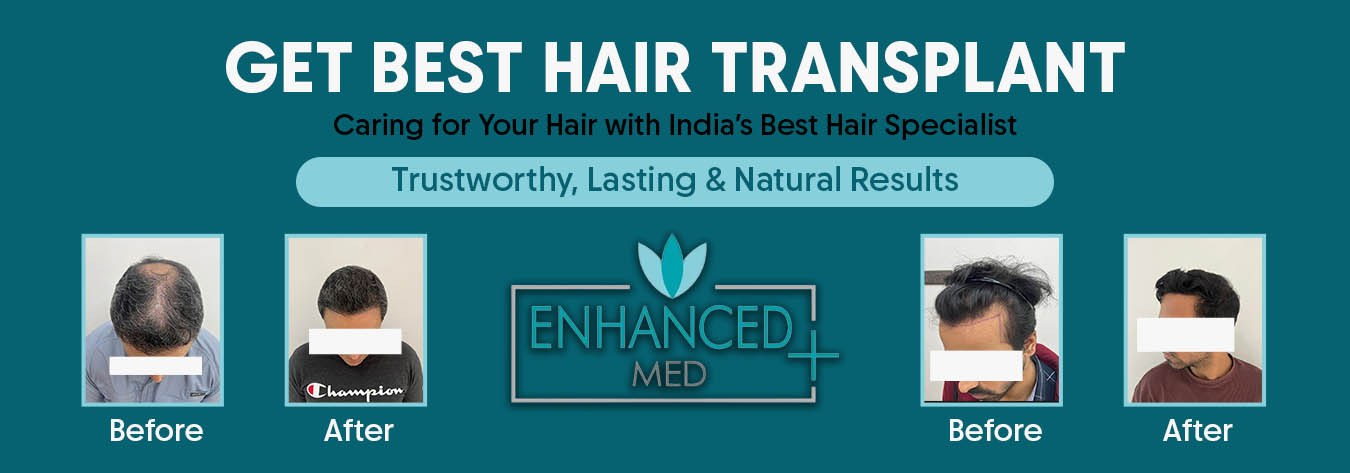
6. Before & After Portfolio — Real Patients, Real Numbers
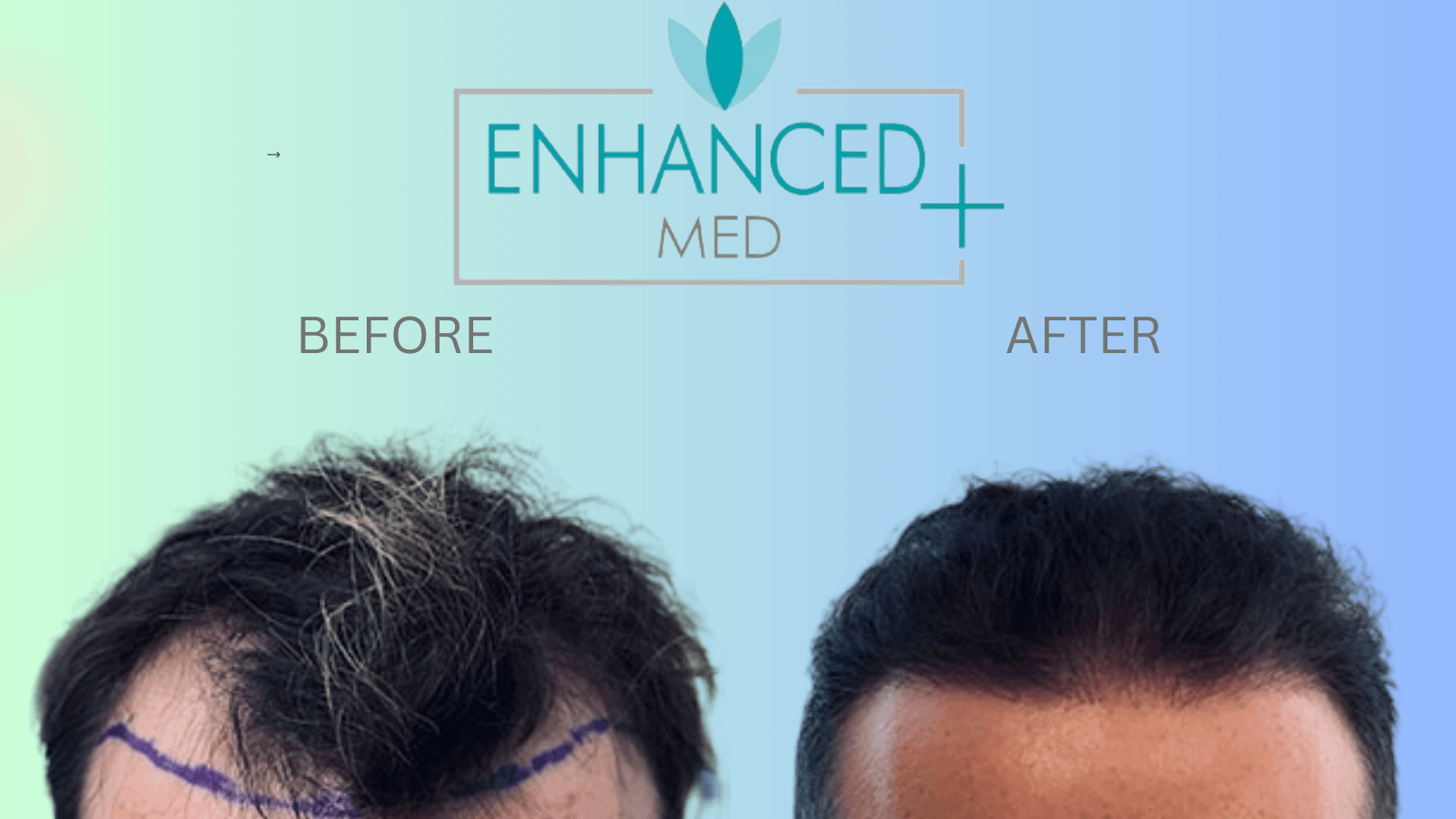
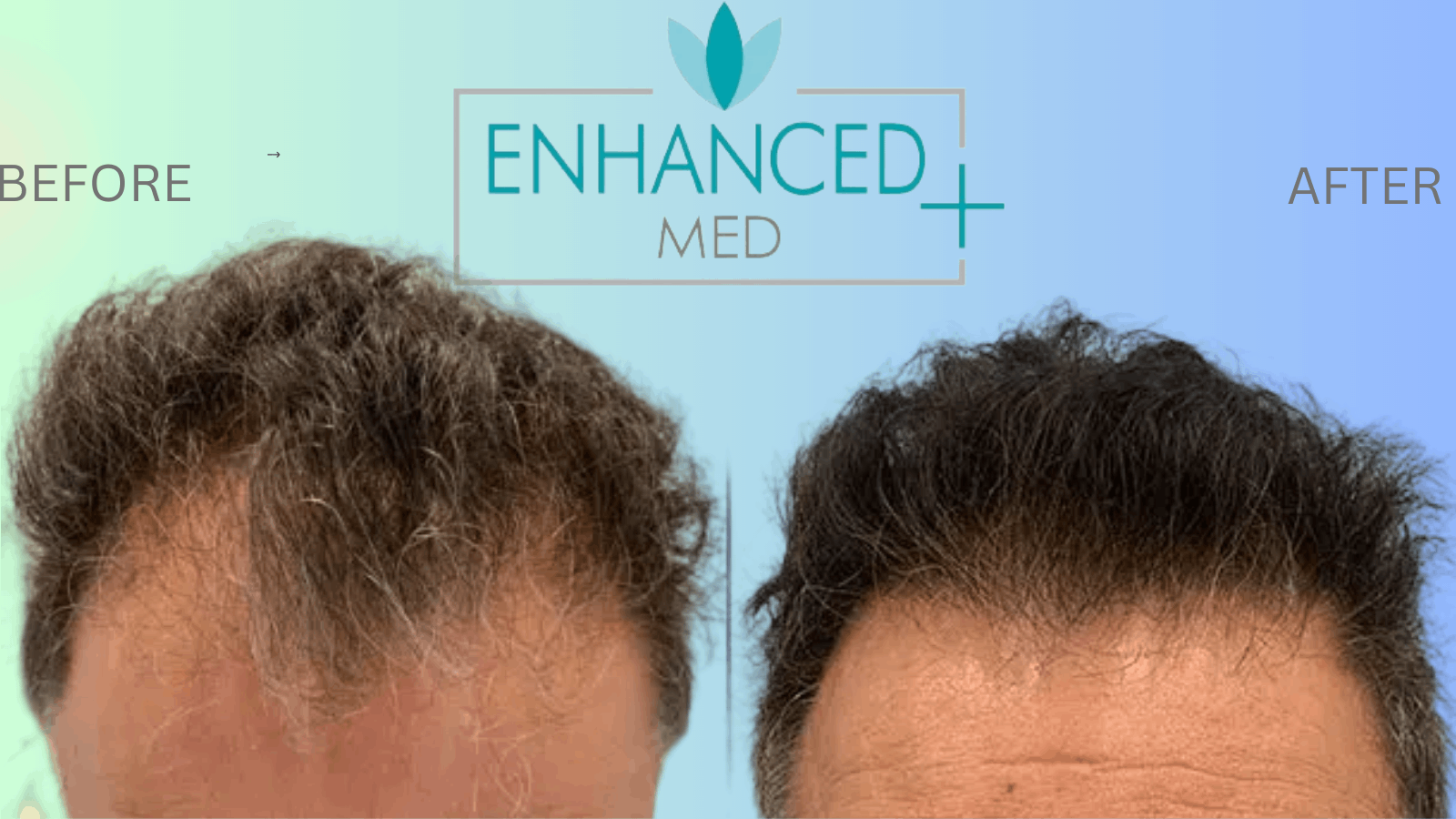
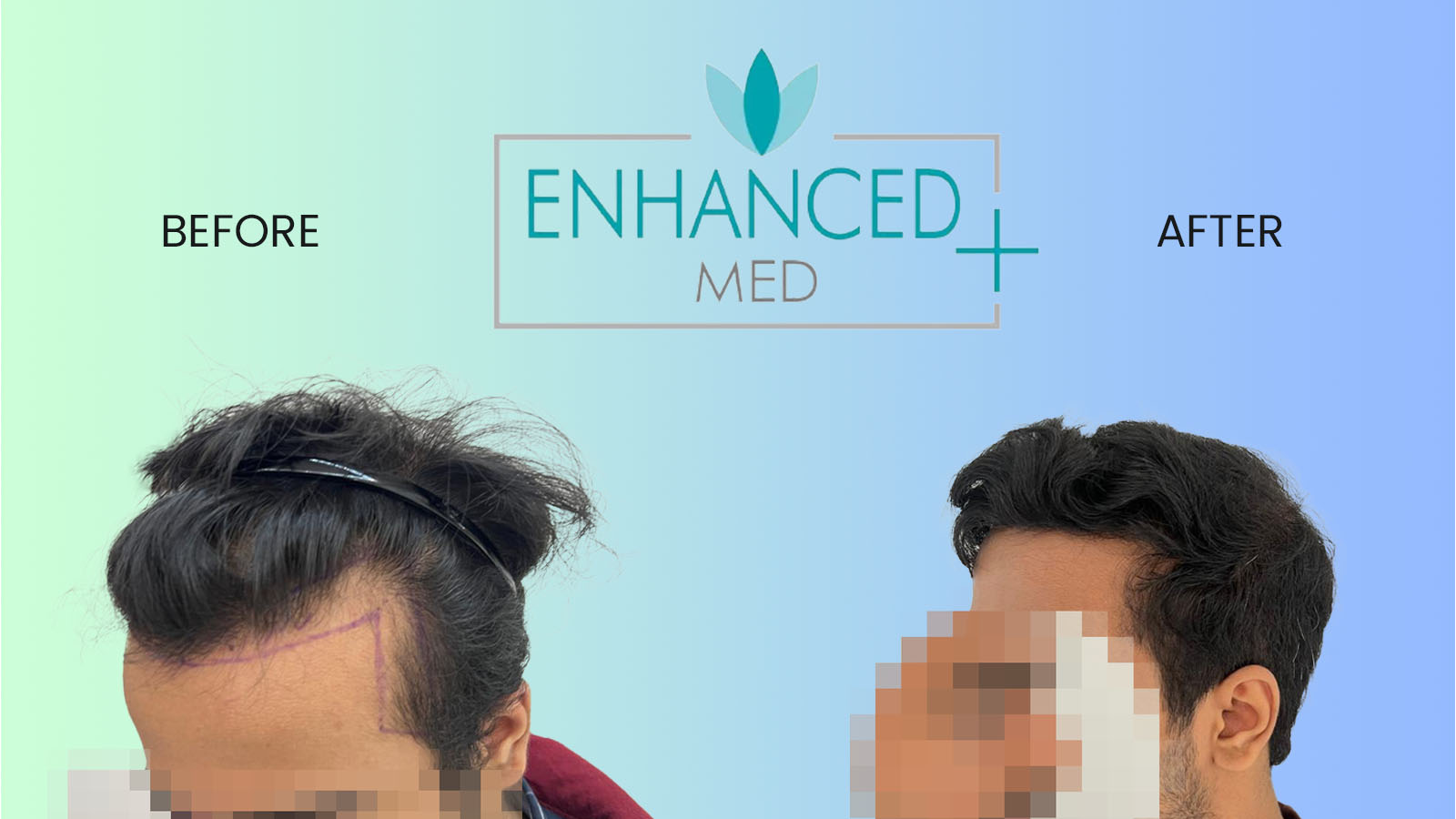
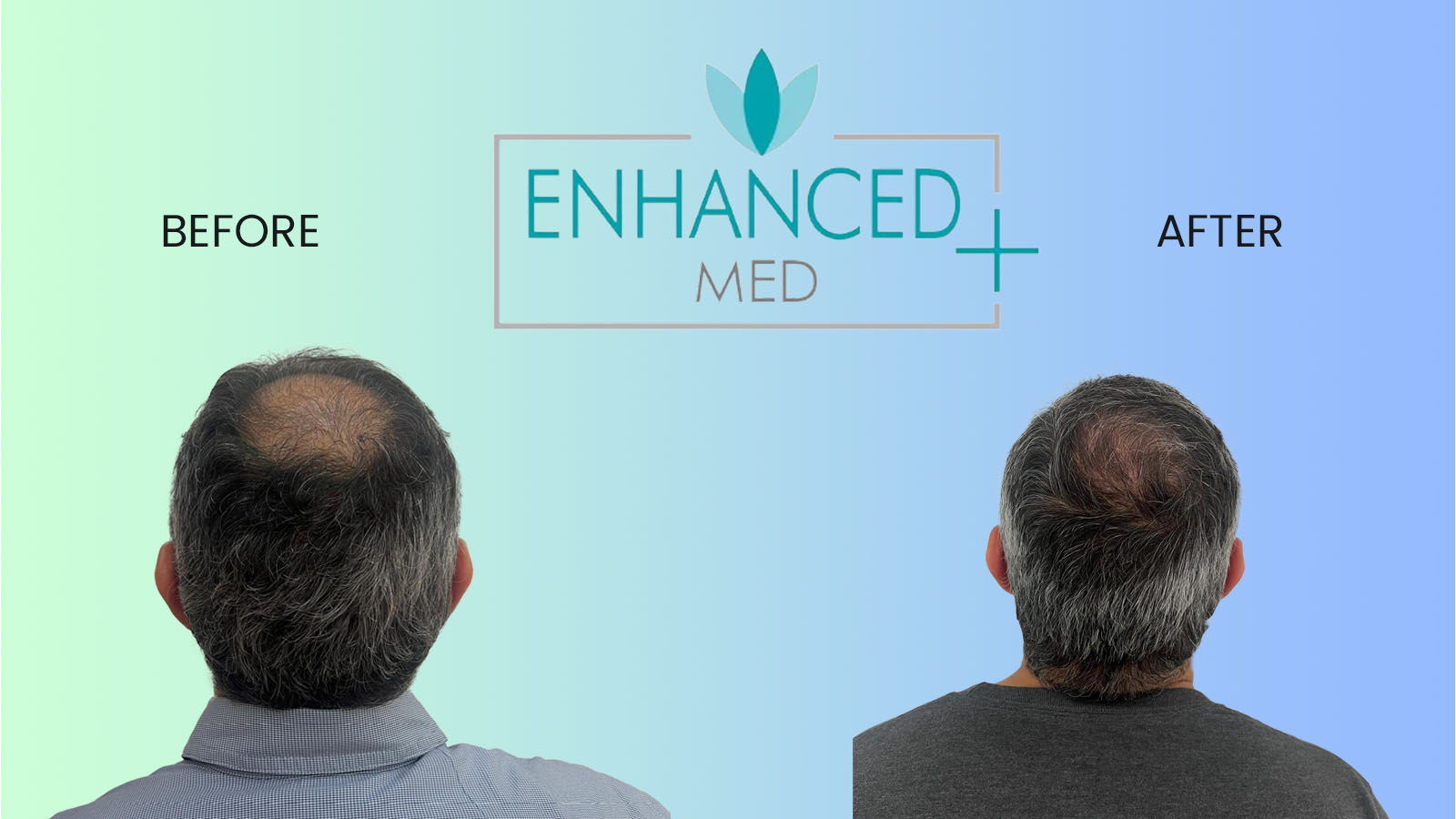
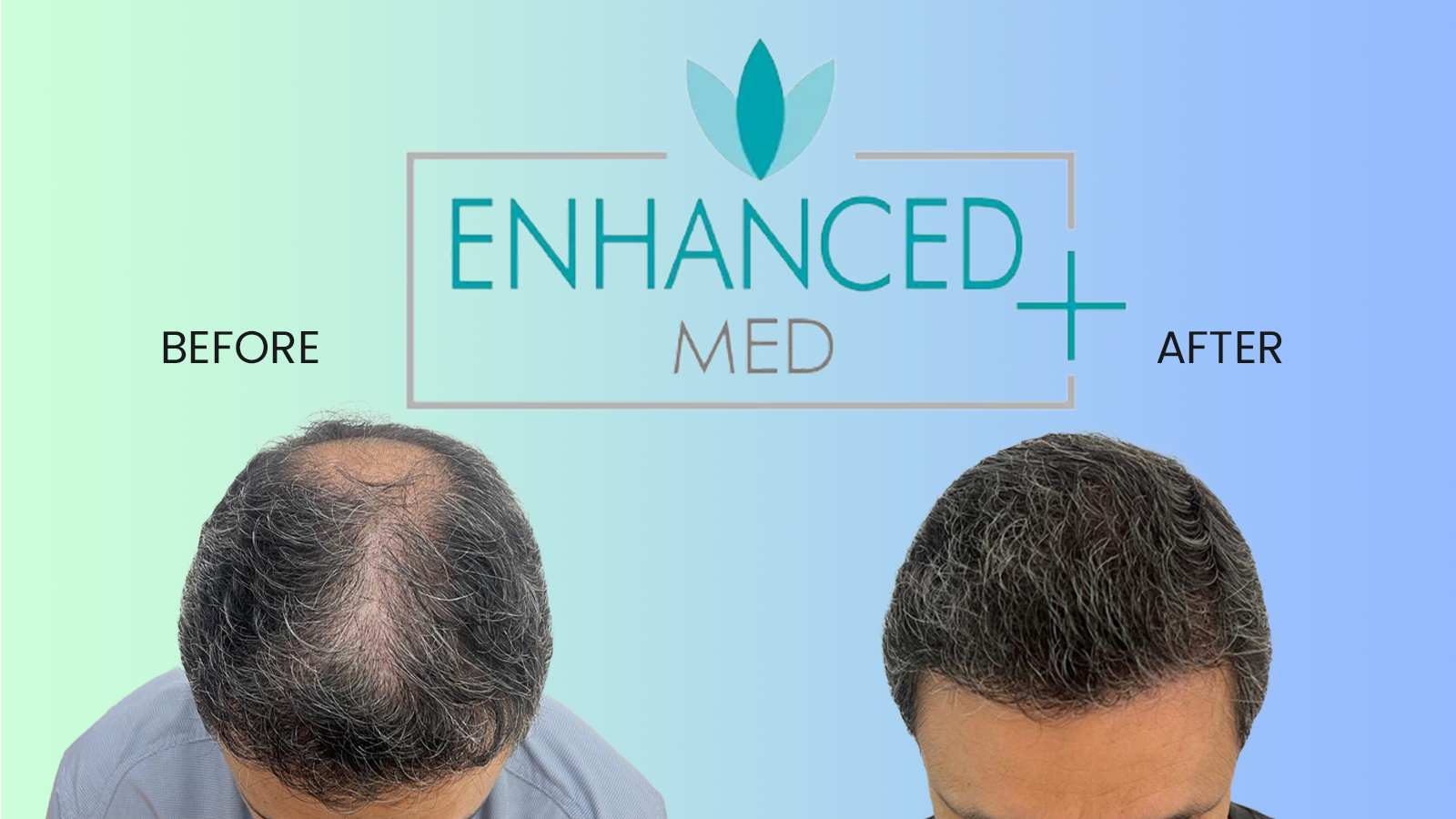
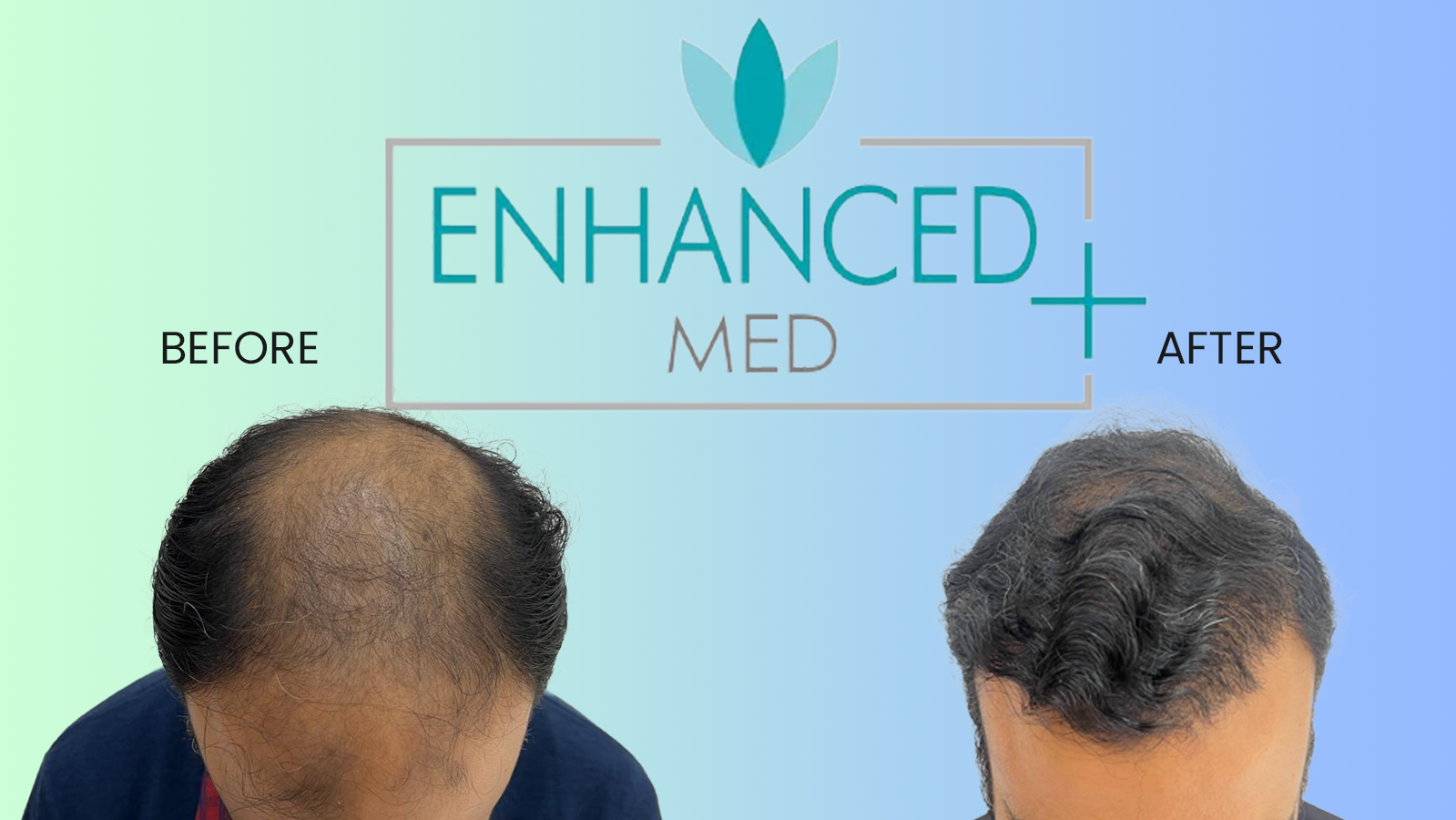
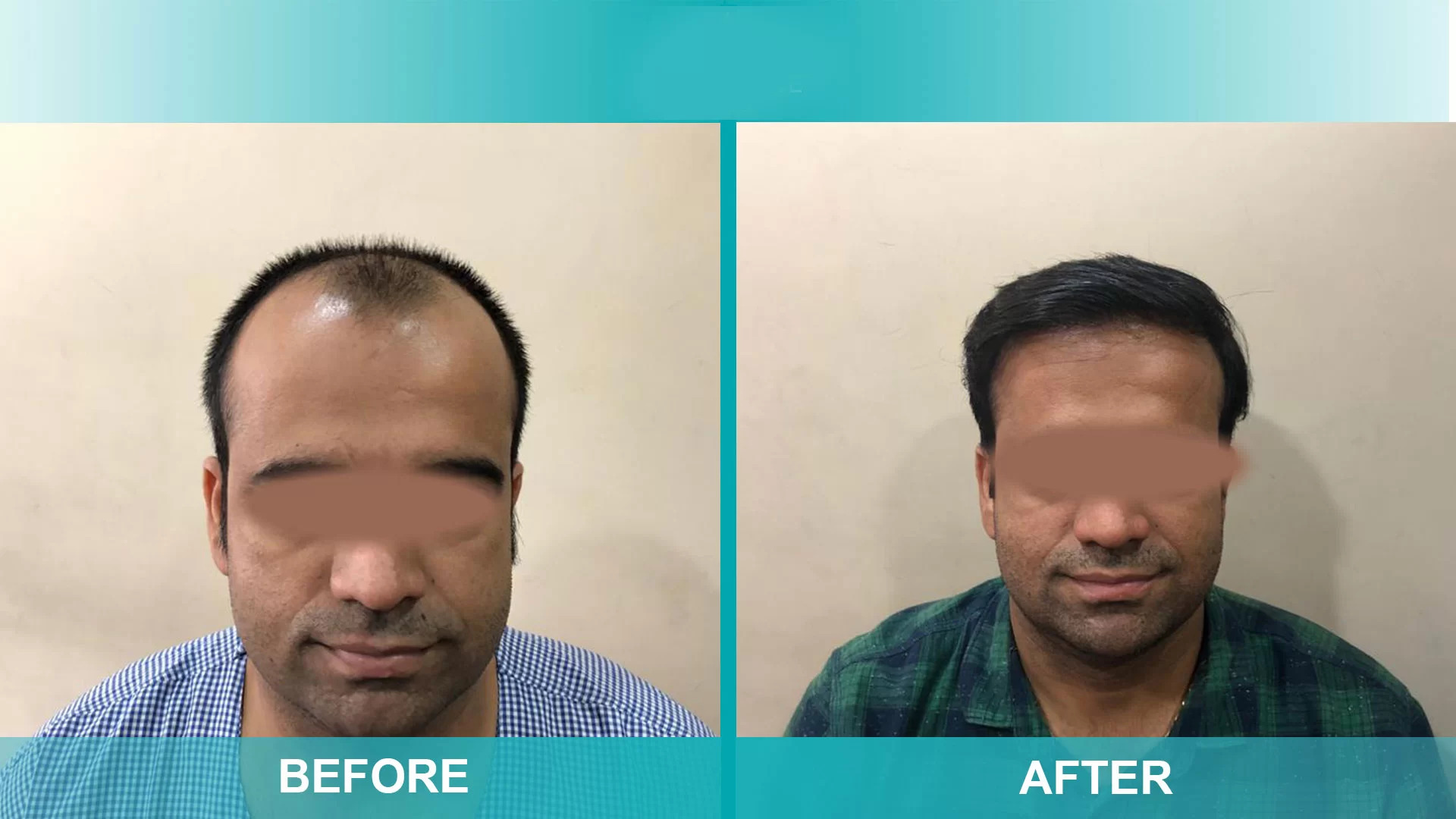
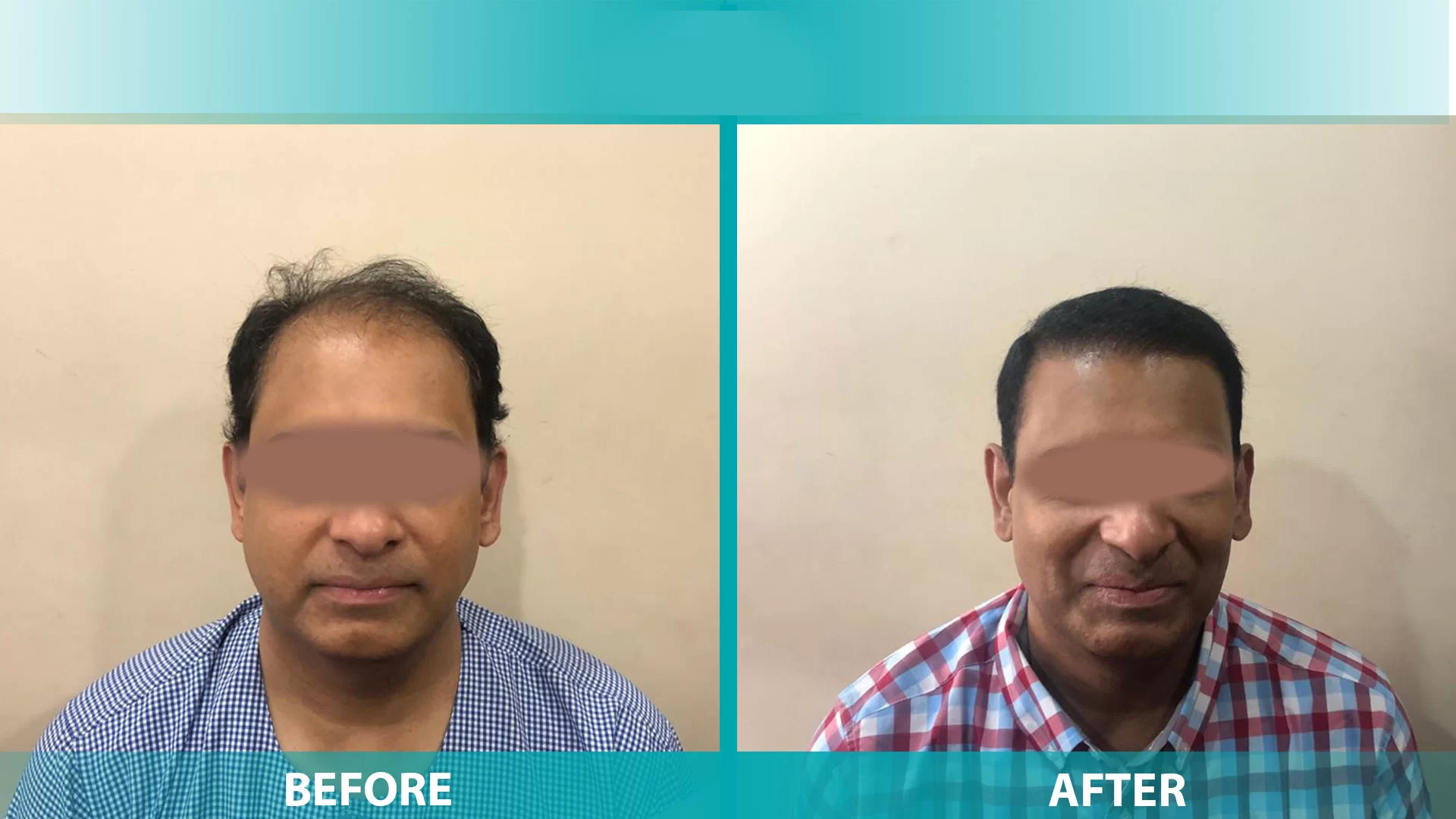
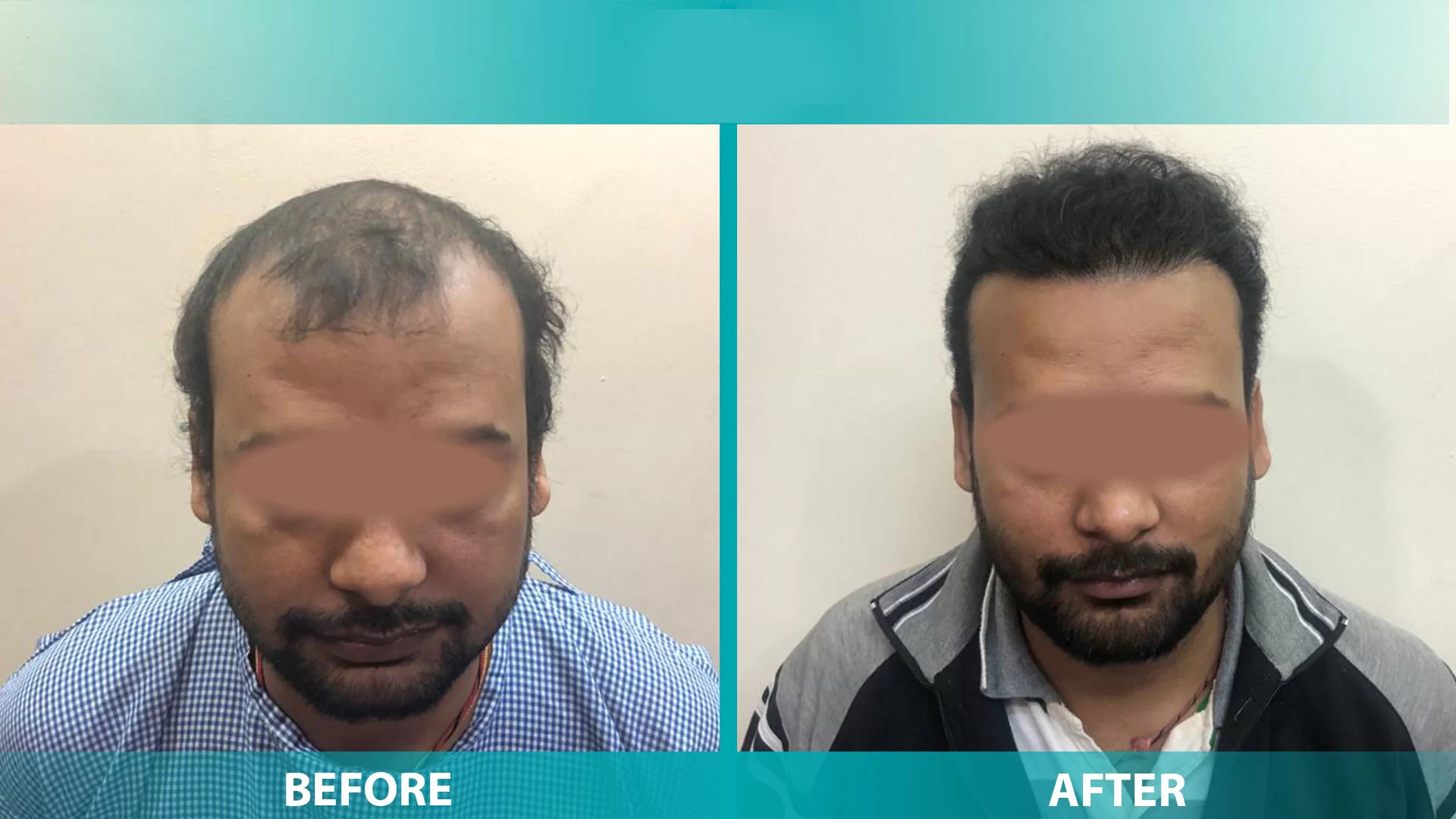
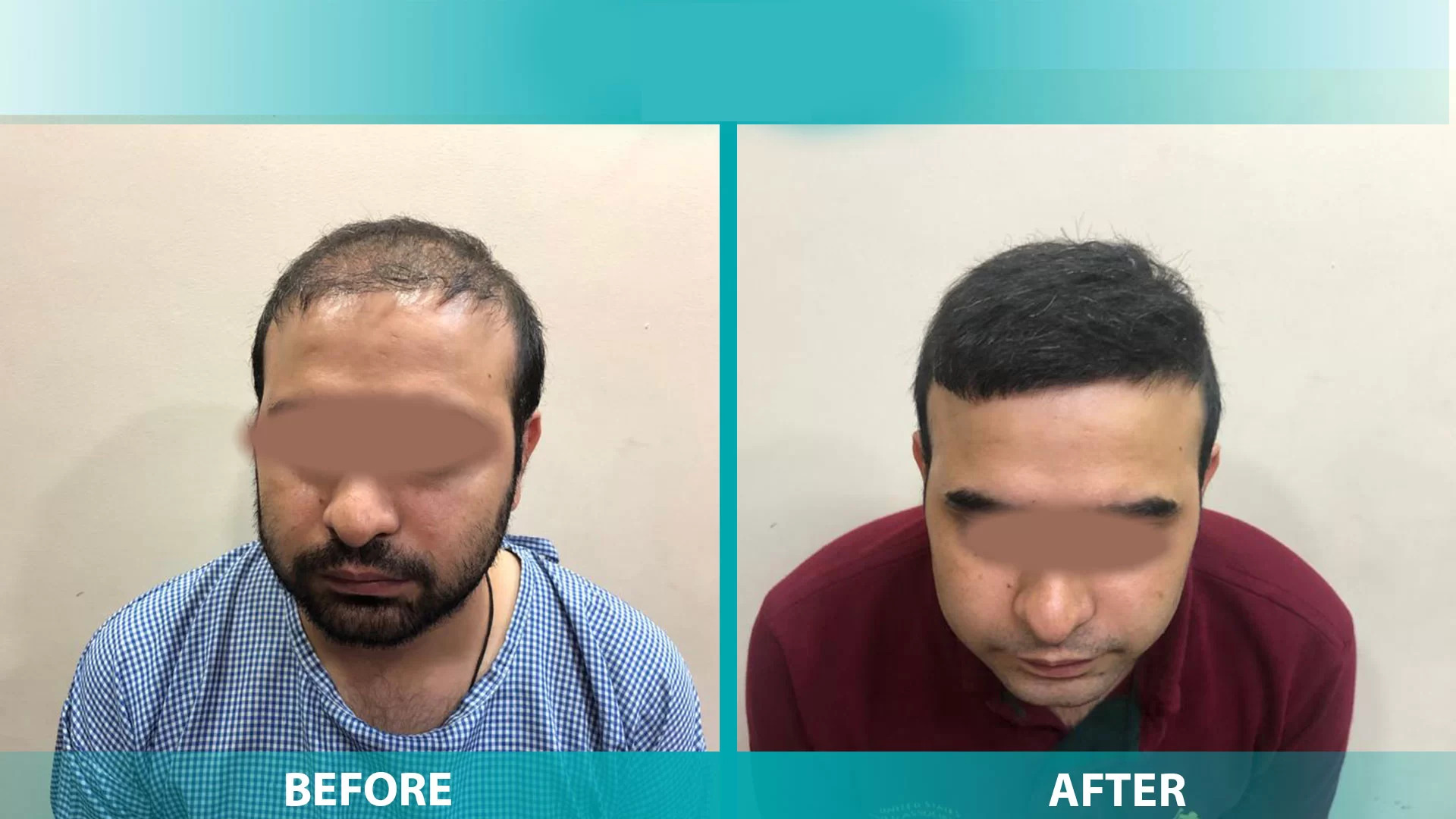
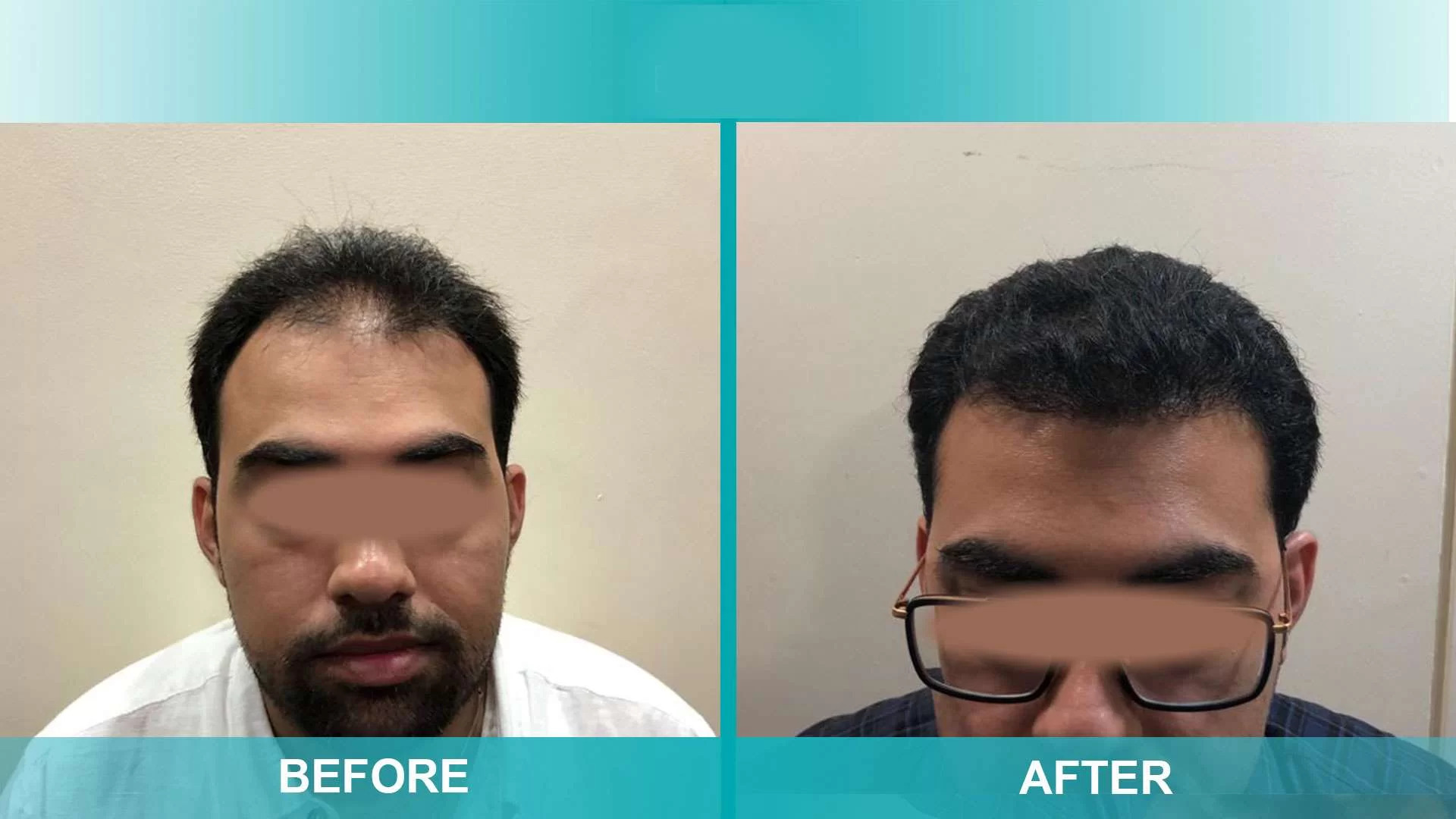
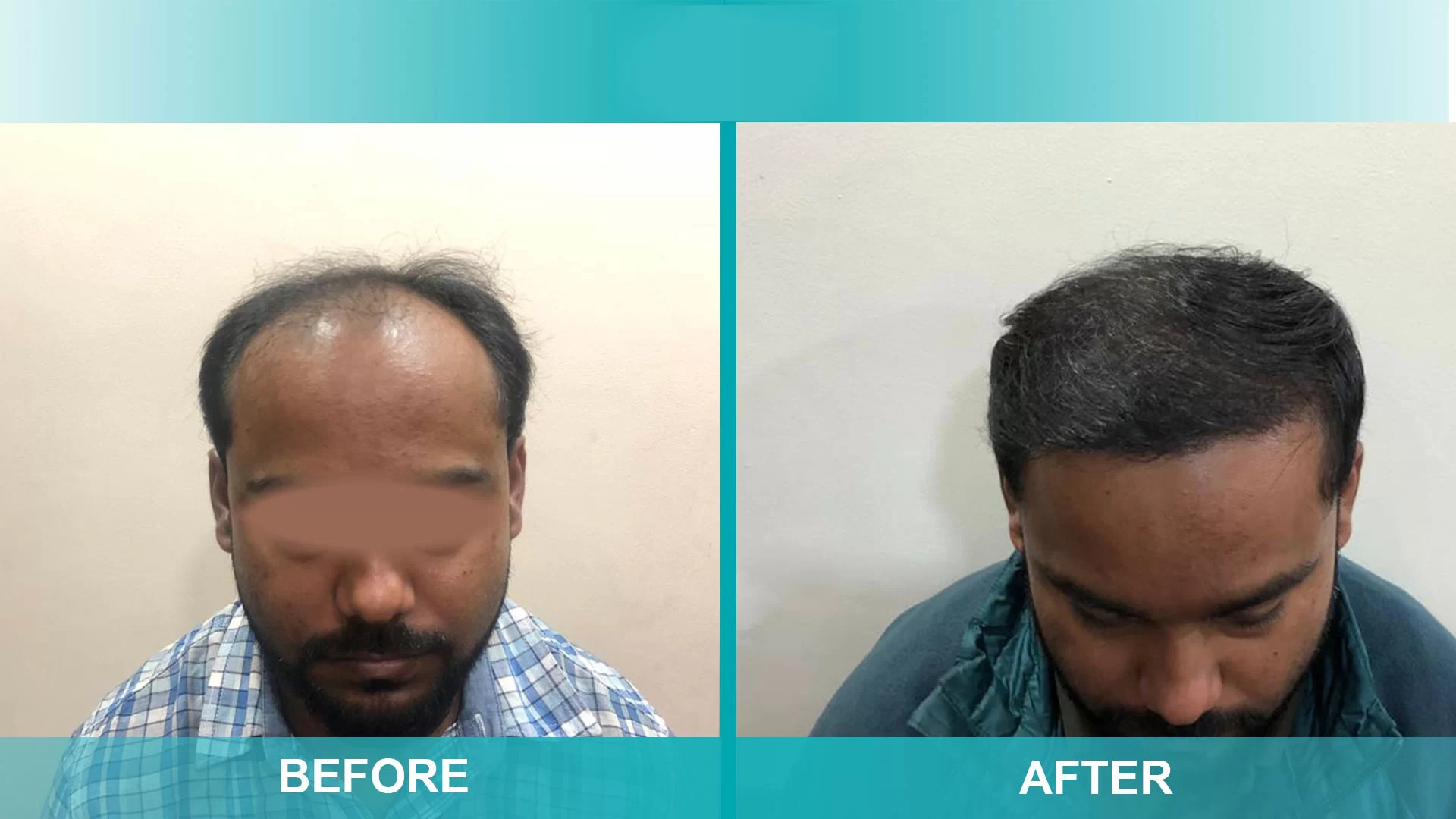
The best clinics maintain a comprehensive, verifiable portfolio of genuine patient results — with ages, Norwood grades, graft counts, and time-since-procedure documented. Not stock photographs. Not digitally enhanced composites. Real scalps, real growth, real follow-up timelines. Any clinic whose results portfolio cannot survive scrutiny should not be trusted with your scalp.
7. Post-Operative Support Protocol
A hair transplant does not end at discharge. The best clinics build 12-month post-operative monitoring into the procedure package — including minimum three follow-up visits, teleconsultation support for out-of-city patients, a written aftercare protocol, and proactive outreach at Months 1, 3, and 6 to track progress and address any concerns. Clinics that disappear after payment are not operating at the standard you deserve.
8. NABH Accreditation or Equivalent
NABH (National Accreditation Board for Hospitals & Healthcare Providers) accreditation is the gold standard of clinical safety and quality certification for healthcare facilities in India. It requires rigorous inspection of sterilisation protocols, patient safety systems, surgical standards, staff qualification records, and transparent reporting. While not every excellent hair transplant clinic is NABH-accredited, its presence is a strong positive signal — and its absence warrants additional scrutiny.
9. EMI Transparency & Financing Options
The best clinics make quality care accessible. This means offering documented 0% EMI financing through established banks, not predatory high-interest payment plans. It also means presenting all financing options clearly — with the understanding that the quality of care does not change based on the payment structure.
3. India's Top Hair Transplant Surgeons of 2026: What to Look for and How to Check
The best hair transplant surgeon in India is not a static list that can be definitively published and accepted. Surgical excellence is individual, relationship-dependent, and case-specific. What can be published — and what is genuinely useful to you as a patient — is a clear framework for how to identify, evaluate, and verify surgical excellence in the Indian hair transplant context in 2026.
The Profile of a Genuinely Excellent Hair Transplant Surgeon in India
The best hair transplant doctors in India share a consistent clinical and personal profile. They are not defined by celebrity associations, social media follower counts, or national award ceremonies — they are defined by what happens in the operating theatre and what a patient's scalp looks like 12 months after the procedure. Here is the profile you are looking for:
|
Criterion
|
What to Look For
|
Red Flag
|
|
Qualifications
|
MBBS + MCh (Plastic Surgery) or MD (Dermatology) + ISHRS/ABHRS membership
|
'Certified hair specialist' with no verifiable degree or registry number
|
|
Personal case volume
|
500+ personally performed procedures; ideally 2,000+
|
'Our team has 10,000 procedures experience' — team ≠ surgeon
|
|
Hands-on surgery
|
Surgeon personally performs extraction AND implantation
|
Surgeon present for consultation only; technicians do the procedure
|
|
Hairline design artistry
|
Surgeon designs hairline personally — adjusting for age, face shape, and future loss trajectory
|
Coordinator draws the hairline; surgeon approves remotely
|
|
Before & after portfolio
|
20+ real patient results with graft counts & timelines shown
|
Only composite images, extremely filtered photos, or no portfolio
|
|
Consultation quality
|
Trichoscopy performed; realistic expectations set; multiple technique options explained
|
Single technique pushed immediately; price quoted without examination
|
|
Transparency on limitations
|
Surgeon clearly states when a case is outside their expertise
|
'We can fix anything' — no acknowledgement of limitations
|
|
Professional body membership
|
Active ISHRS, ABHRS, IADVL, or AHRS India membership
|
No professional affiliations visible or verifiable
|
|
Continued education
|
Regularly attends international conferences; aware of 2026 techniques
|
Last published work or course attendance pre-2020
|
How to Verify a Surgeon's Credentials in India
- Medical Council of India / State Medical Council: All registered MBBS doctors in India appear in the MCI or State Council registry. Verify the surgeon's registration number at the official portal before any consultation.
- ISHRS Member Directory: The International Society of Hair Restoration Surgery maintains a public member directory at ishrs.org. Fellows (FISHRS) have demonstrated the highest standard of peer-recognised competency.
- ABHRS Diplomate List: The American Board of Hair Restoration Surgery publishes its Diplomate list publicly. A Diplomate designation means the surgeon has submitted case documentation, passed written and oral examinations, and met rigorous peer review standards.
- AHRS India: The Association of Hair Restoration Surgeons India is the country's leading professional body hair transplant specialists. Its member directory is publicly available.
- Direct qualification request: Ask to see the surgeon's degree certificate and professional membership card in person at your consultation. A surgeon confident in their credentials welcomes this request without hesitation.
The Gurugram Hair Transplant Surgeon Standard in 2026
Gurugram has become one of India's most competitive markets for qualified hair transplant surgeons precisely because of its demanding patient base. The city's corporate and NRI professionals have high expectations, access to global benchmarks through international exposure, and a low tolerance for substandard results. This has driven Delhi’s best hair clinics to maintain internationally comparable standards — attracting MCh and MD surgeons who have trained at AIIMS, PGI Chandigarh, and international institutions. Enhanced Med Clinics sits at the centre of this ecosystem.
4. Does Hair Transplant Actually Work in India? — Clinical Evidence & Real Success Rates
This is the question that people type into search engines at 2am, after months of trying topical solutions and supplements that delivered marginal or temporary results. The answer, supported by two decades of clinical data and tens of thousands of procedures performed annually across India, is: yes — categorically, emphatically, and demonstrably yes, when performed correctly.
The Clinical Evidence Base
Hair transplant surgery is backed by more than 70 years of peer-reviewed clinical evidence — from the first rudimentary punch graft procedures in the 1950s to today's Follicular Unit Extraction and Direct Hair Implantation techniques. The fundamental biology is proven and uncontested: hair follicles harvested from the DHT-resistant donor zone (the back and sides of the scalp) retain their genetic resistance to androgenetic alopecia regardless of where on the scalp they are transplanted. They will continue to grow for life in their new location.
What the Indian Clinical Data Shows in 2026
|
Metric
|
Data Point 2026
|
Source / Context
|
|
Graft survival rate — premium clinics
|
90–95%
|
Surgeon-led clinics with Class-100 OT and hypothermosol preservation
|
|
Graft survival rate — budget clinics
|
55–80%
|
Technician-led or junior-surgeon procedures, basic preservation
|
|
Patient satisfaction — quality clinics
|
>91%
|
Defined as satisfaction with density, naturalness, and coverage at 12 months
|
|
Long-term graft retention at 10 years
|
80–90%+
|
Multi-year follow-up studies; DHT-resistant grafts maintain permanence
|
|
Market growth rate (2026)
|
21.26% annually
|
IMARC Group Indian Hair Transplant Market Report
|
|
Estimated procedures/year in India
|
500,000+
|
Industry estimate — combining all techniques and clinic tiers
|
|
FUE adoption rate
|
70%+ of all procedures
|
FUE now dominant; FUT used primarily for high-volume Stage 6–7 cases
|
|
Success with natural hairline design
|
>88% reporting 'completely natural' result
|
Premium clinic patient surveys; dependent on surgeon artistry
|
When Hair Transplant Works Best — and When It Doesn't
Understanding the conditions under which hair transplant produces its best results — and the conditions where it is less effective — is the difference between a life-changing procedure and a disappointing one.
Hair Transplant Works Best When:
- Androgenetic alopecia (pattern baldness): Genetic male or female pattern hair loss — the single most common indication — responds consistently and predictably to transplant surgery when donor area is intact
- Stable hair loss: Hair loss pattern has stabilised (typically age 28+) — reduces risk of surrounding native hair continuing to thin around transplanted areas
- Adequate donor density: Sufficient dense, DHT-resistant donor hair available at the back and sides — the raw material of a successful procedure
- Realistic expectations: Patient understands the shock loss phase, the 12–18 month result timeline, and that transplanted hair is permanent but native hair may continue to thin
- Quality clinic with experienced surgeon: Procedure performed by MCh/MD surgeon with documented graft survival data — the single biggest determinant of outcome
Hair Transplant Has Limitations When:
- Diffuse Unpatterned Alopecia (DUPA): Where thinning affects the donor area itself — reducing available graft supply and making long-term results unpredictable
- Active alopecia areata flare-up: Autoimmune-triggered hair loss in active phase — transplanted grafts may also be attacked
- Very young patients (under 25): Hair loss pattern not yet established — risk of future thinning creating unnatural appearance around transplanted areas
- Insufficient donor reserve: When the total available healthy follicles are less than the recipient zone demands — realistic outcome discussion essential
- Unrealistic density expectations: Hair transplant restores coverage — it cannot recreate the density of a 20-year-old scalp on a Stage 7 patient with a limited donor area
5. How Common Is Hair Transplant in India in 2026? — Market Data & Trends
Hair transplant in India has undergone a cultural transformation in the last decade. What was once a quietly researched, somewhat stigmatised procedure pursued by middle-aged men trying to look younger has become a mainstream, actively discussed healthcare decision pursued by a remarkably diverse patient demographic — from 28-year-old software engineers in Bangalore to 45-year-old executives in Gurugram to 35-year-old women in Mumbai dealing with post-partum hair thinning.
Market Scale — India's Hair Transplant Industry in 2026
|
Indicator
|
2026 Data
|
Trend
|
|
Estimated annual procedures in India
|
500,000+
|
↑ Growing 21%+ annually
|
|
Market growth rate
|
21.26% CAGR
|
↑ One of fastest growing aesthetic medicine segments
|
|
Male patients (% of total)
|
~72%
|
↓ Slowly declining as female demand rises
|
|
Female patients (% of total)
|
~28%
|
↑ Growing 35–40% annually in 2025–2026
|
|
Age group 25–35 (% of new patients)
|
~38%
|
↑ Fastest growing age cohort since 2020
|
|
NRI / international patients
|
Growing 25%+ annually
|
↑ India increasingly preferred over Turkey for NRI patients
|
|
No-shave / discreet procedures demand
|
Up 45% vs 2022
|
↑ Corporate and professional patient growth
|
|
Post-COVID hair loss enquiries impact
|
40–60% surge maintained through 2023–2025
|
Stabilising but sustained elevated awareness
|
|
Average Google searches/month for 'hair transplant India'
|
250,000+
|
↑ Consistent year-on-year growth
|
Why Hair Transplant Has Gone Mainstream in India
Several convergent forces explain why hair transplant surgery has moved from a niche cosmetic procedure to a mainstream healthcare decision in India in 2026:
- Social media normalisation: Celebrities across Bollywood, cricket, and social media openly discussing their hair transplant experiences have dramatically reduced stigma — especially among men aged 25–40
- Cost accessibility: The per-graft rate has remained stable or marginally decreased as market competition has intensified, while 0% EMI financing has made the procedure accessible at virtually every income level
- COVID hair fall: The documented surge in telogen effluvium and accelerated androgenetic alopecia following COVID-19 infection sent millions of previously unconcerned patients to trichology consultations for the first time — many of whom discovered they were candidates for transplantation
- Improved outcomes and awareness: As surgical techniques have improved and patient education has grown, the fear of unnatural-looking 'pluggy' results (associated with older punch-graft techniques) has diminished — replaced by awareness that modern FUE and DHI produce completely natural results
- Urban professional culture: India's booming professional class has a documented relationship between appearance, confidence, and career advancement — driving investment in appearance-related healthcare including hair restoration
The Demographics of Hair Transplant Patients in India — 2026
|
Patient Profile
|
% of Market
|
Primary Motivation
|
Most Common Technique
|
|
Men 25–35 — early career professionals
|
~25%
|
Confidence, career, social life
|
Standard FUE — 1,000–2,000 grafts
|
|
Men 35–50 — senior professionals / executives
|
~32%
|
Appearance, confidence, reversing decade of loss
|
FUE / Sapphire FUE — 2,500–4,000 grafts
|
|
Men 50+ — later-stage restoration
|
~15%
|
Complete restoration; retirement gift to self
|
FUE / FUT combo — 3,500–6,000+ grafts
|
|
Women 25–45 — diffuse thinning
|
~20%
|
Confidence, post-partum loss, PCOS-related
|
No-Shave DHI — 800–2,500 grafts
|
|
NRI patients — visiting India
|
~5%
|
Cost advantage vs home country
|
Premium FUE / DHI with full package
|
|
International medical tourists
|
~3%
|
World-class quality at India pricing
|
Premium FUE / DHI — full service
|
6. DHI Hair Transplant Cost in India 2026 — The Complete Breakdown
Of all the technique-specific pricing questions, DHI hair transplant cost in India generates the highest search volume and the most confusion. The confusion is understandable: DHI is simultaneously the most frequently misrepresented technique (some clinics label any implantation device 'DHI' regardless of actual protocol), the most aggressively priced, and the technique where price variation between clinics is most extreme.
What Is DHI and Why Does It Cost More?
Direct Hair Implantation (DHI) uses a patented Choi Implanter Pen — a precision micro-needle device that performs graft extraction and implantation in a single controlled motion. Unlike standard FUE (where grafts are stored externally for a period while recipient sites are separately created), DHI implants each follicle immediately after extraction. The follicle spends the minimum possible time outside the body — dramatically improving the viability window and enabling survival rates of 93–97% with certified operators.
The higher cost of DHI reflects genuine operational differences: Choi Pen implanter tips require replacement every 15–20 grafts (consumable cost), surgical time per graft is 40–60% longer than standard FUE, the technique demands more rigorous surgeon concentration and stamina, and the precision required for each implantation means fewer total grafts can be placed per session. Each of these factors adds to legitimate procedure cost.
DHI Hair Transplant Cost in India 2026 — City-Wise Pricing
|
City
|
DHI Cost/Graft (?)
|
1,500 Grafts (?)
|
2,500 Grafts (?)
|
Notes
|
|
Gurugram (NCR)
|
?100 – ?245
|
?1,50,000 – ?3,67,500
|
?2,50,000 – ?6,12,500
|
Premium market; best DHI specialists in NCR
|
|
Delhi
|
?100 – ?255
|
?1,50,000 – ?3,82,500
|
?2,50,000 – ?6,37,500
|
India's largest DHI market; wide quality range
|
|
Mumbai
|
?110 – ?265
|
?1,65,000 – ?3,97,500
|
?2,75,000 – ?6,62,500
|
Highest pricing; premium specialists
|
|
Bangalore
|
?100 – ?250
|
?1,50,000 – ?3,75,000
|
?2,50,000 – ?6,25,000
|
Strong no-shave DHI demand from IT professionals
|
|
Hyderabad
|
?90 – ?230
|
?1,35,000 – ?3,45,000
|
?2,25,000 – ?5,75,000
|
Competitive; excellent quality-to-cost
|
|
Chennai
|
?85 – ?220
|
?1,27,500 – ?3,30,000
|
?2,12,500 – ?5,50,000
|
Board-certified specialists at fair pricing
|
|
Chandigarh
|
?75 – ?200
|
?1,12,500 – ?3,00,000
|
?1,87,500 – ?5,00,000
|
Competitive Tier-1 alternative to Delhi
|
|
Jaipur / Ahmedabad
|
?65 – ?180
|
?97,500 – ?2,70,000
|
?1,62,500 – ?4,50,000
|
Budget-friendly; verify DHI credentials carefully
|